
If you want to reduce monthly expenses without drama, start with small, comfortable changes that fit your life in 2026.
Everyday costs and subscription creep have raised the stakes this year, and simple shifts can protect your cash flow. Fidelity noted that saving just $14 a day can add up to more than $5,000 a year. That shows how steady, modest moves build real savings.
This article is a clear listicle. You’ll find easy wins first, then steps for bigger bills. Topics include recurring bills, household costs, groceries, impulse spending, provider negotiations, and insurance reviews.
Be practical: you’re not aiming for perfection. You’re building a repeatable system that creates steady savings and less stress. At the end, you’ll get a quick checklist, common mistakes to avoid, a short risk note, and a brief FAQ so you can act right away.
Meta description: “Reduce monthly expenses in 2026 with simple, beginner-friendly steps—trim subscriptions, cut household bills, shop smarter, and avoid impulse buys.”
Key Takeaways
- Small daily changes compound into meaningful savings over a year.
- Start with easy wins, then tackle larger recurring bills.
- Trim subscriptions and check providers for better rates.
- Use a repeatable system to protect cash flow during price shifts.
- Follow the checklist and FAQ at the end to take quick action.
Why Saving Money Matters in 2026 (and How Small Changes Add Up)
Saving a little each day turns into meaningful financial breathing room over a year. Small, steady actions build savings without forcing major lifestyle shifts.

The math is simple: $14 × 365 ≈ $5,110 per year. Even about $5.50 per day becomes roughly $2,000 a year. Those totals matter because they cushion you from higher household costs and surprise bills.
Think of saving as buying time and options. With extra cash you avoid emergency credit and handle price spikes without panic. Choose trade-offs that fit your life—not extremes.
Pick one practical swap
- Skip a $6 coffee and an $8 lunch out twice a week → repeatable weekly savings.
- Freeze extra groceries to cut waste and keep food quality longer.
| Daily Saving | Annual Total | Real Example |
|---|---|---|
| $14 | $5,110 | Skip two paid lunches per week |
| $5.50 | $2,007 | Save small daily purchases and freeze leftovers |
| $2 | $730 | Use one fewer paid app or service |
Start with awareness, then plug recurring leaks and tackle larger bills. The rest of this guide walks you through those steps.
Know Where Your Money Goes Before You Cut Anything
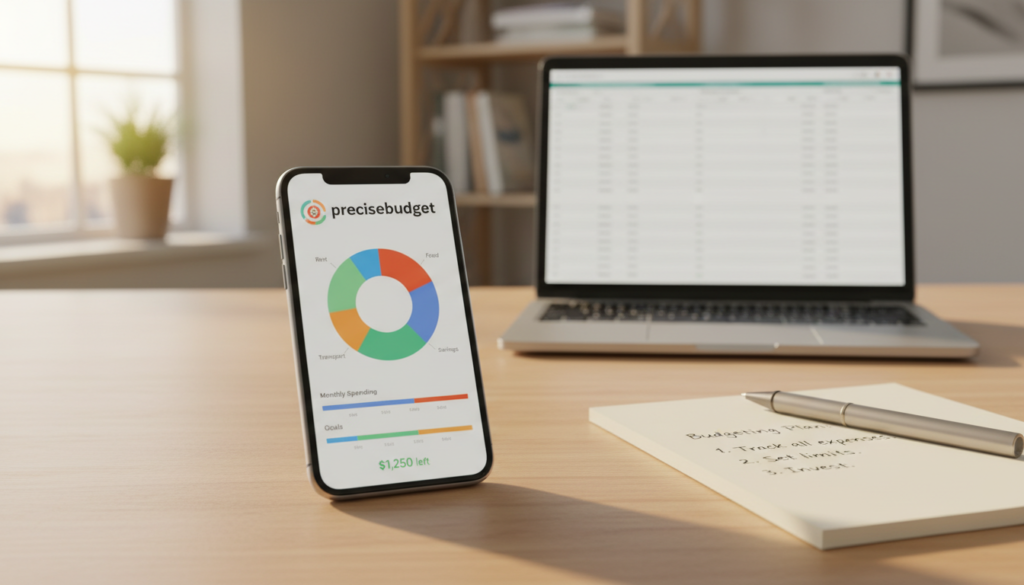
Track two full months of transactions to reveal patterns you can act on. This gives you clean data so you make choices with facts, not guesses.
Two-month tracking plan
Pick a start date and log every charge for 60 days. Capture bank and card activity plus any cash purchases. Don’t change your habits yet — just collect the information.
Fast setup options
- Banking app insights: fastest for a quick snapshot; best if you want speed.
- Budgeting app: automated categorization but requires account linking.
- Spreadsheet: custom, good if you like control and a clear list view.
- Pen and paper: highest awareness; ideal if you use a lot of cash.
Step-by-step tracking checklist
Pull statements for the period, export transactions if possible, and label each item by category. Total weekly to spot repeat charges and income patterns.
Simple categories that work
Needs — housing, utilities, basic groceries. Wants — non-essentials and treats. Recurring payments — subscriptions, memberships, and auto-drafts.
Information hygiene: create one master list of accounts and due dates so nothing is missed when you start trimming. If you use cash often, track it manually so totals are accurate.
Once recurring payments are clear, you’ll have an easy first target to trim in the next section.
Reduce Monthly Expenses by Trimming Recurring Bills and Subscriptions
Start by hunting recurring charges that quietly drain your bank or card balance each month.
The goal is simple: to reduce monthly expenses fast, remove recurring charges that don’t deliver real value. Use the next steps to build a repeatable audit and cancel system that prevents reactivations and missed renewals.
Audit subscriptions and memberships
Scan your bank and credit card statements for the last 60–90 days. Highlight every subscription, membership, or auto-draft you find.
- Sort each item into Keep, Pause, or Cancel.
- Mark the billing cadence (monthly, quarterly, annual) and the next renewal date.
- Use one card for all subscriptions so you can spot recurring payments at a glance.
Streaming services strategy
Keep one streaming service active at a time and rotate monthly. This gives variety without stacking bills.
Example: subscribe to Netflix this month, pause it when you switch to Hulu next month.
Catch sneaky charges and free trials
Watch for free trials that auto-convert, quarterly fees, and annual renewals that hit unexpectedly.
Set calendar reminders 3–5 days before trial end dates so you can cancel before a charge posts.
Quick cancel system and review habit
When you subscribe, cancel immediately if the service allows access until the cycle ends. That prevents surprise renewals.
On the first weekend of each month, spend 10 minutes checking a “recurring costs” list. This habit stops new services from sneaking in.
| Charge Type | Frequency | Action | Impact |
|---|---|---|---|
| Streaming services | Monthly | Rotate one at a time; pause others | Low entertainment cost, high control |
| App subscriptions | Monthly / Annual | Cancel unused apps; consolidate features | Small savings that add up |
| Memberships (gym, clubs) | Monthly / Quarterly | Pause or switch to pay-per-visit | Avoid paying for unused services |
| Auto-renewals & trials | Annual / Trial | Set reminders 3–5 days before renewal | Prevents surprise charges |
Lower Household Costs Without Major Lifestyle Changes
Small household tweaks can shave bills quietly while leaving your routine intact. These are quiet wins that work in the background and free up cash with little daily effort.
Cut energy with simple fixes
Set a programmable thermostat schedule so heating and cooling match when you are home. Turning the thermostat down 1°C can save about £80 per year, depending on your home and rates.
Stop standby and use smarter laundry
Switch off devices, not just idle them. Citizens Advice estimates standby savings near £40 a year for many homes.
Run full laundry loads, wash at 30°C, and air-dry when you can. These habits lower wear on appliances and cut energy use.
Use light, seals, and blinds
Swap the most-used bulbs to LEDs first — they can be up to 90% more efficient. Seal obvious drafts around windows and doors to stop heat loss.
Close blinds in hot afternoons, open them to welcome winter sun, and avoid overcooling or overheating for comfort and health.
- Quick-start checklist: set a thermostat schedule; swap key bulbs to LEDs; seal obvious drafts.
- These are practical ways reduce household bills without feeling deprived.
Spend Less on Food, Groceries, and Convenience Purchases
A simple meal plan and a tight grocery list cut impulse food purchases fast.
Try a weekly system: pick 3–4 meals you enjoy, use a default breakfast, and list only what you lack. Build the grocery list from what you already have to avoid extra purchases.
Cook more and pack lunches
Pack lunch three days a week instead of buying convenience meals. That swap is one of the quickest ways to save money without big effort.
Buy smart in bulk and freeze
Only bulk-buy items you use regularly. Portion and freeze extras so food stays fresh and your money is protected.
Choose store brands and imperfect produce
Own-brand staples like pasta, oats, and frozen vegetables often match taste at a lower price. Try imperfect produce sections, farmers’ bins, or CSA boxes for lower-cost, high-quality options.
Keep easy home options ready
Stock a few ready-to-heat meals, a rotisserie chicken, or salad kits so you don’t default to takeout on busy nights.
- Weekly plan: 3–4 repeat meals + one flexible dinner.
- Grocery list rule: buy only what’s on the list.
- Practical swap: pack lunch 3x a week to cut convenience purchases.
For budgeting help and meal planning tips, see healthy eating on a budget for quick, beginner-friendly guidance.
Stop Impulse Spending and Make Shopping Work in Your Favor
Impulse buys often start before you know it — a scroll, a sale alert, or a tempting display.
You can cut those losses by naming triggers and adding simple friction to your routine.
Identify top triggers
List where you click: social media ads, promo emails, “limited‑time” language, and wandering big‑box aisles.
Fidelity research highlights the value of spotting patterns so you stop automatic purchases.
Add friction on purpose
Remove saved credit card numbers from sites, disable one‑click buying, and unsubscribe or filter promo mail.
Leaving your main card at home helps — or use cash for discretionary buys.
Use a cooling‑off rule
Wait 24 hours for items under $100 and 72 hours for bigger purchases.
After the pause, ask: does this match my budget and values?
Secondhand first and time big buys
Try thrift stores, Facebook Marketplace, and reputable resale sites for clothing, furniture, and kids’ items.
For appliances, laptops, or furniture, set price‑drop alerts and target Black Friday or Labor Day sales.
Practical guardrails
- Leave extra cards in the car to avoid quick online checkouts.
- Bring a small amount of cash for in‑person shopping to limit impulse spending.
- For your car, skip emotional upgrades; focus on planned maintenance instead.
Negotiate, Switch Providers, and Review Big Bills Like Insurance
Negotiating plans and shopping insurance rates is one of the highest-return chores you can do in an hour. Call your internet, phone, and cable providers and ask for current promotions or a loyalty discount. Be polite, clear, and specific about what you want.
Simple call script
Script: “Hi — I’m reviewing my bills. Do you have any current promotions or a loyalty discount available? Also, can you confirm whether my plan matches my actual usage?”
Quick annual provider review
Do a once-a-year check of services so teaser rates don’t become permanent. Compare speed, data limits, and bundled features you don’t use.
How to compare plans fast
Focus on reliable service over extras. Ask about early-termination fees, upgrade options, and whether bundling really saves money for you.
Insurance: shop home and car regularly
Shop home and car insurance at least once a year. Compare deductibles, coverage limits, and the total annual payment. Small changes in coverage or carrier can lower your premiums while keeping protection.
Remember: negotiating won’t always work, but it often takes less time than you expect and can free up real money for your goals.
Benefits, Pros and Cons, Common Mistakes, and Risk Awareness
Noticeable cash flow gains often show up within weeks when you target a few repeat payments and impulse triggers. You’ll likely feel less day-to-day money stress and more control over your budget quickly.
Benefits you’ll notice quickly
Improved cash flow—small swaps free cash for priorities.
Less stress: fewer surprise payments and clearer planning.
Better control: you understand where every payment goes and can act.
Pros and cons
- Pros: trimming subscriptions and smarter grocery plans are fast wins.
- Cons: negotiating providers or restructuring debt can take time and paperwork.
Common mistakes to avoid
Don’t cut so hard you rebound‑spend. Extreme rules often fail and hurt your health.
Watch annual charges and forgotten renewals; they surprise many people.
Also, don’t set-and-forget the plan—life changes require reviews so your budget stays realistic.
Risk awareness (short)
Note: refinancing, balance transfers, or consolidation can lower interest but may include fees and strict terms. Read disclosures, run the numbers, and check how any move affects your credit and long‑term payments.
Make it stick
Review quick progress monthly and do a deeper check quarterly. If you carry debt—especially credit card debt—stop adding new subscription charges and impulse buys so your payment plan works.
Keep a small “fun” line in your plan to protect mental health and help changes last.
Quick Action Checklist to Reduce Monthly Expenses This Week
A short checklist you can run in one hour helps you see quick wins and set durable habits. Use the timed tasks below to act now, then keep the follow-up steps so the changes stick.
Do this in 60 minutes
- Pull 60 days of bank and card statements and scan for recurring charges.
- Cancel 1–3 subscriptions you no longer use and set calendar reminders 3–5 days before future renewals.
- Document each cancellation in your budget notes and mark the impact on weekly cash flow.
Do this in the next 30 minutes
- Plan 3 dinners for the week, write a grocery list from what you already own, and schedule one no‑spend evening.
- Buy only items on the list to curb convenience purchases and impulse buys.
Call and ask (15–20 minutes)
- Call your internet or phone provider: request a loyalty discount or a right-sized plan and note any offers in your budgeting file.
- Record names, dates, and new rates so you can compare later.
Debt-focused quick step
- List balances and APRs for each debt. Pick one immediate action: make an extra payment, research a balance-transfer, or pause nonessential card use.
- If you carry credit card debt, prioritize the highest APR account for extra payments.
Set follow-up habits
- Create a recurring monthly calendar event for a 20-minute transaction check and a quarterly review for plan adjustments.
- Capture information: write your top 3 expense leaks and the exact next step for each.
Helpful reads: your internal pages “How to Build a Beginner Budget” and “How to Pay Off Credit Card Debt Faster” will guide budgeting and debt steps. For habit and spending research, see Fidelity Viewpoints. For practical cost-of-living support, consult Citizens Advice: https://www.citizensadvice.org.uk/debt-and-money/get-help-with-the-cost-of-living/.
| Task | Time | Result |
|---|---|---|
| Subscription audit & cancels | 60 min | Immediate cash lift |
| Meal plan + grocery list | 30 min | Fewer convenience purchases |
| Provider call | 15–20 min | Potential bill savings |
Conclusion
Wrap up your plan by picking two steps you can finish today: cancel one subscription and create a simple needs‑versus‑wants list. Then schedule a 20‑minute review in 30 days to keep momentum.
Track first, cut recurring leaks next, and then optimize big bills and daily habits over time. A steady plan you follow for months beats one‑week extremes and will also help you avoid backsliding.
If you free cash, route it into a separate savings line so the money stays visible and useful. If debt is present, stop new high‑interest charges and focus on a realistic payoff plan without judgment.
- FAQ
- What’s the fastest way to reduce expenses? Start with subscriptions and recurring bills; then tackle groceries — results can show this billing cycle.
- How much should I cut from my budget? Aim small and steady (even $5–$14/day), then adjust after two months of tracking.
- Should I refinance or do a balance transfer? Sometimes. Compare fees and terms, and make sure the new payment fits your budget before you apply.
Keep your checklist visible this week and revisit it in a month to find the next easiest win.